No Panic
In the face of the geopolitical crisis, the foreign exchange market reacted as expected. Traders retreated to safe havens, particularly the US dollar, which always plays this role, despite fears of dedollarization. The Swiss franc, perceived as backed by gold, also benefited from the current context.
The macro point
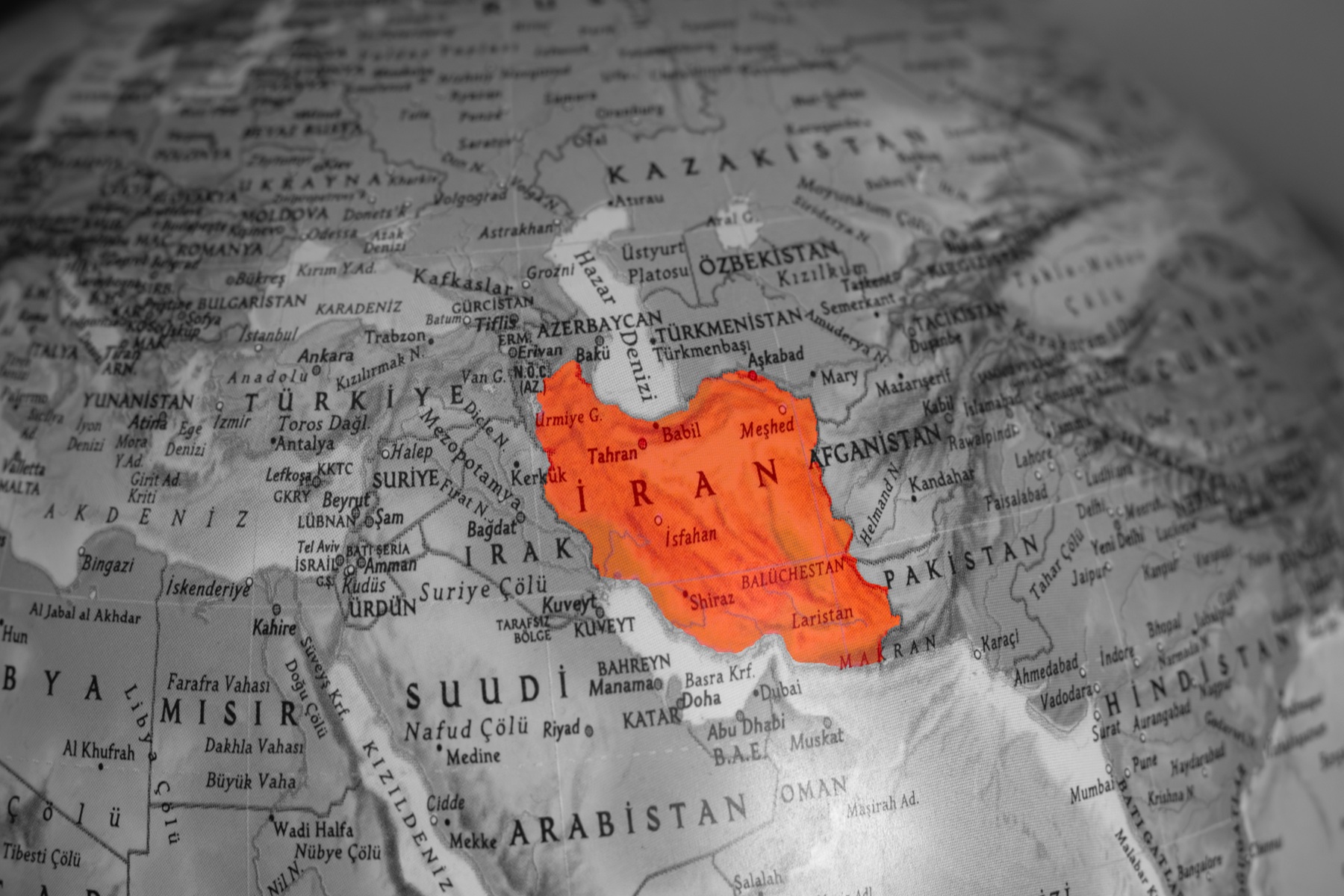
The market reacted as expected to the geopolitical threat. Safe havens were sought after: US dollar, Swiss franc, Japanese yen, US sovereign bonds, gold (despite profit-taking in recent sessions), and defense sector stocks. The yen reacted with some delay. Traders were initially cautioned by the fact that the Bank of Japan will certainly not raise rates in the coming months. The next hike is now expected in the second half of the year. Volatility was obviously high in recent sessions but far from crisis levels. This seems to indicate that traders are not overreacting and consider that the conflict, even if it may last a long time, will not lead to severe and lasting economic consequences. In other words, the doom-mongers predicting stagflation, a new oil shock, or a global economic crisis are probably wrong. That is also our opinion.
Let's take oil. Indeed, for the moment, it can hardly transit through the Strait of Hormuz, which poses a serious problem for Asia (particularly China, India, Japan, and South Korea). But since Thursday, March 5, Saudi Arabia has been using its east-west pipeline so that part of the oil can be delivered to European and Asian consumers. This will help to somewhat offset the current imbalance between supply and demand in the energy market. If that is not enough, the United States, which is the world's leading oil and gas producer, could also decide to temporarily increase production. In the worst-case scenario, some countries could also resort to Russian oil, despite Western sanctions. In short, there are many solutions to avoid having a barrel of oil around $100-120, which would pose a real risk to the global economy.
However, we will have to manage the uncertainty that is likely to persist for a while and can cause unforeseen peaks of volatility, especially during periods of low liquidity (for example, during the Asian session). As long as the conflict continues, we expect safe havens to perform well. Energy-dependent currencies, like the Canadian dollar, should also continue to rise quite logically since oil has increased by almost 20% over the past week.
We can already draw a first lesson from this crisis for the foreign exchange market. At the beginning of the year, dedollarization and the "debasement trade" were on everyone's lips. Ultimately, when things go wrong, there is no better alternative than the dollar. Investors are not rushing to the euro or the Chinese yuan. Therefore, announcing the end of its hegemony seems a bit premature. Once the crisis is over, we still expect the greenback to depreciate slightly this year. According to our latest calculations, the dollar index, which measures the dollar's performance against its major trading partners' currencies, is overvalued by 7%. A 5% decline over the entire year seems credible to us.
Technical point
Initially, volatility in the foreign exchange market was rather contained. Last week, it was a different story. The EUR/USD pair moved within a fluctuation range of nearly 300 pips against 100-150 pips in normal times. Unsurprisingly, the trend was bearish due to risk aversion. We expect the pair to reach a temporary low between 1.1450 and 1.1500 if the conflict remains at the same level of intensity - which seems most likely at this stage. Once the geopolitical window closes, the underlying upward trend of the EUR/USD should resume. This is, in any case, what historical precedents teach us (notably the war in Iraq in 2003 and the 12-day war in June 2025).
The support and resistance displayed below indicate respectively the lows and highs within which the prices should move during the week. | Weekly Supports | | Weekly Resistances | |
|---|
| S2 | S1 | R1 | R2 |
| EUR/USD | 1.1423 | 1.1450 | 1.1633 | 1.1733 |
| EUR/GBP | 0.8540 | 0.8588 | 0.8700 | 0.8733 |
| EUR/CHF | 0.8878 | 0.8904 | 0.9200 | 0.9210 |
| EUR/CAD | 1.5700 | 1.5722 | 1.5900 | 1.5934 |
| EUR/JPY | 180.45 | 181.00 | 183.00 | 183.42 |
Announcements to follow
Besides geopolitical news, the foreign exchange market will focus on US inflation in the coming days. Two statistics are expected: consumer prices in February and the core PCE index for January, which is considered the Federal Reserve's (Fed's) preferred inflation indicator. The latter is projected at 3% year-on-year – a level still somewhat too high compared to the central bank's target of 2%. In recent months, inflationary pressures have mainly resulted from energy and food prices. Unsurprisingly, given the context in the Middle East, there will clearly be no relief at this level. Let's remember that the Strait of Hormuz, which is currently a major concern, is an important passageway for hydrocarbons but also for fertilizers, especially urea, which is widely used in agriculture. If fertilizer prices rise durably, as they did at the outbreak of the war in Ukraine, it will impact food prices. Given the level of short-term uncertainty, the market no longer anticipates a rate cut by the Fed at its mid-March meeting. The key interest rate is expected to remain between 3.5% and 3.75%. This is also our opinion. However, this is likely to strongly displease US President Donald Trump. More attacks on Jerome Powell are to be expected.
Below you will find publications and events that should have a major impact on currency exchange rates evolution.| Day | Time | Country | Indicator | What to expect? |
|---|
| 03/11/2026 | 13:30 | USA | Inflation (February) | Previous at 2.4% year-on-year. |
| 03/13/2026 | 13:30 | USA | Core PCE Index (January) | Previous at 3% year-on-year. |
The information presented in this publication is provided for informational purposes only and does not constitute investment advice, a sales offer, or a purchase solicitation, and in no event should it serve as a basis or be considered an inducement to engage in any investment.