Powell Bows Out, Who Will Lead the Dance?
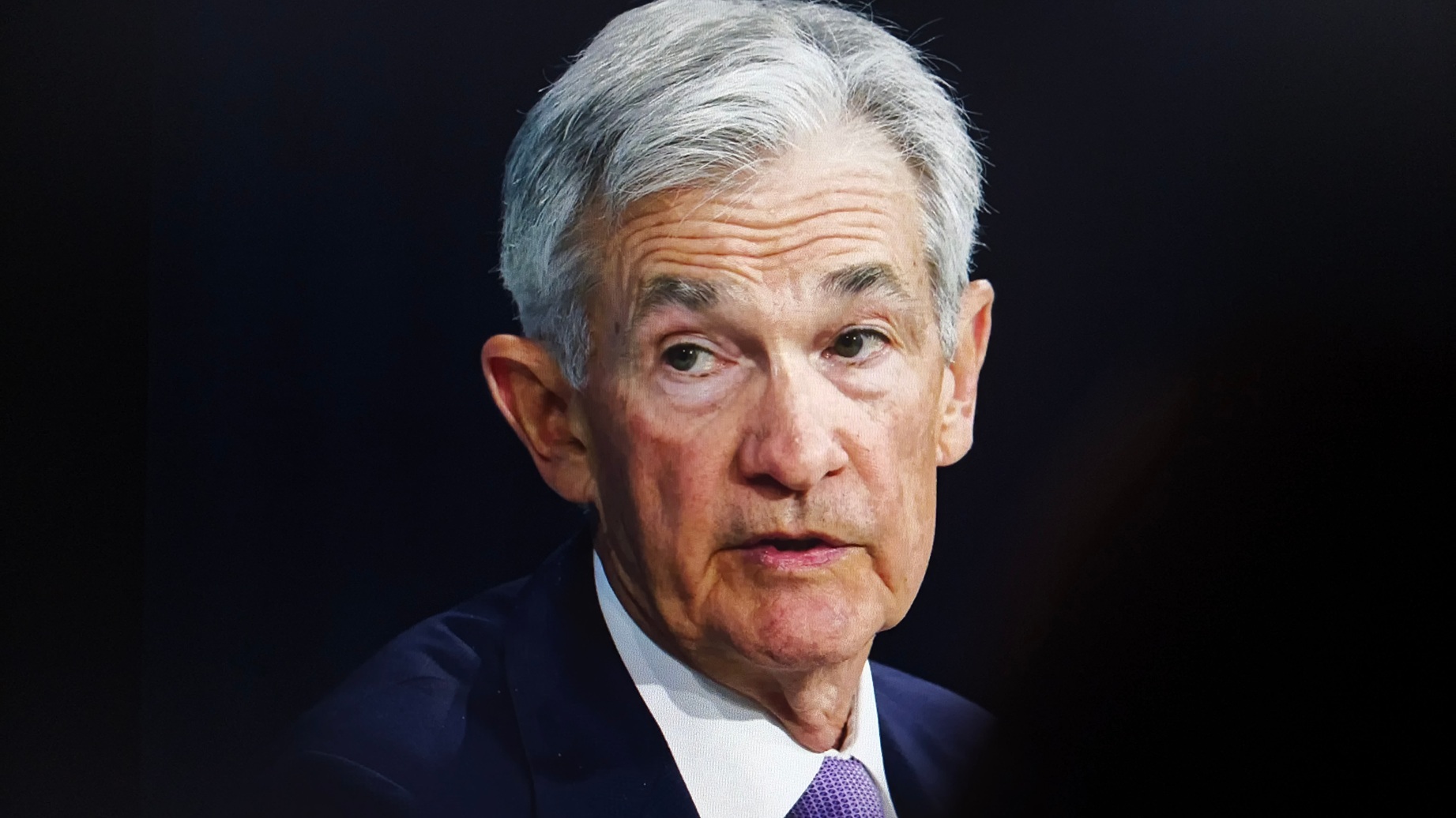
Jerome Powell chairs his last FOMC meeting on May 7, before Kevin Warsh takes over on the 15th. The Fed keeps its rates at 3.50–3.75%, but four dissenting members have stirred up trouble. The ECB has held steady at 2.0%. The BoE decides this week. Meanwhile, the EUR/USD flirts with 1.1720 amid a persistent energy crisis.
The macro point
Rates are unchanged. But the markets tremble nonetheless. The April 28-29 FOMC meeting resulted in a steady 3.50 - 3.75%, as perfectly expected. What was less expected: a close 8-4 vote. Governor Miran called for a 25 bp cut, while three other members opposed the statement's wording, too accommodating for their taste.
How to explain this split? The Fed is navigating blindly in an unprecedented environment. The Middle East conflict weighs on supply chains and energy prices. Core PCE inflation stands at 3.2% in March 2026, well above target. Meanwhile, U.S. annualized GDP for Q1 was published at +2.3%, a resilience complicating any justification for easing.
Under these conditions, the Fed is trapped in an impossible equation: cutting rates risks fueling inflation; maintaining them could break still-holding growth. Our opinion: the FOMC will remain on pause until at least September 2026, barring a sharp deterioration in the labor market. Markets do not anticipate any cut this year, according to recent data.
No need to be a prophet to know that appointing a new Fed chair always creates uncertainty. Kevin Warsh, expected to succeed Powell on May 15, is seen as more sensitive to executive injunctions. It's hard to know if this will translate into genuinely more accommodative monetary policy or, on the contrary, more erratic.
For the dollar, the stakes are high. Since the beginning of the year, the greenback has suffered. The EUR/USD has gone from 1.07 in January 2025 to over 1.17 today. If Warsh adopts a clearly dovish bias, the movement could amplify. Conversely, an independent and rigorous stance might rejuvenate the dollar. In our view, the downside risk for the greenback is asymmetrical in the short term.
The ECB, meanwhile, kept its key rates at 2.0%, as expected. Christine Lagarde stressed uncertainty linked to the Middle East conflict, posing a recession risk in the eurozone if the Strait of Hormuz were to remain closed for long. Eurozone inflation is indeed around the target, but growth prospects are deteriorating.
Across the Channel, the Bank of England delivers its decision Thursday. Quasi-certain status quo at 3.75%. But it’s the statement that will matter. British inflation is pointing to 3.4% for April, well above that of the eurozone. A hawkish BoE rhetoric could support the pound against the euro. The market will likely sell EUR/GBP on this publication.
Technical point
On the EUR/USD, the pair consolidates around 1.1720 after hitting highs at 1.2020 in January 2026. The underlying trend remains bullish since the January 2025 low of 1.0225, an appreciation of the euro of about +14.6% in sixteen months. Technically, the pair is hitting the upper bound of a long-term channel. A rejection of this key area could bring prices back to 1.1520 in the short term, before a new bullish attempt.
The sterling remains firm against the euro. EUR/GBP is at 0.8634, after bouncing from 0.8280 in March. The UK/Eurozone inflation divergence partly explains the pound's resistance. The BoE decision on Thursday will be decisive: an aggressive stance would stabilize the pair below 0.8650 or even push it to 0.8500.
The Swiss franc remains a safe haven. EUR/CHF oscillates below parity, at 0.9164. The SNB has not given any recent intervention signal, but any renewed geopolitical tension could accelerate the CHF appreciation.
The Japanese yen, meanwhile, remains a concern. EUR/JPY hovers around 185.00. The BoJ maintains a still very accommodative monetary policy, even though its key rates are gradually rising. The rate differential remains favorable to the yen carry trade against high-yield currencies. However, beware: uncovered positions on the yen represent a latent systemic risk if the BoJ were to accelerate its tightening.
The supports and resistances displayed below indicate respectively the lows and highs within which prices are expected to evolve during the week.
| Weekly Supports | | Weekly Resistances | |
|---|
| S2 | S1 | R1 | R2 |
| EUR/USD | 1.1520 | 1.1620 | 1.1800 | 1.1900 |
| EUR/GBP | 0.8540 | 0.8590 | 0.8770 | 0.8760 |
| EUR/CHF | 0.9050 | 0.9120 | 0.9230 | 0.9360 |
| EUR/CAD | 1.5900 | 1.6050 | 1.6350 | 1.6500 |
| EUR/JPY | 162.00 | 163.50 | 166.50 | 168.00 |
Announcements to follow
This week attention will be focused on two key events: the BoE decision on Thursday, which will direct the sterling pairs, and especially the NFP on Friday, which will set the tone of U.S. monetary policy expectations for the summer. A stronger-than-expected labor market would reinforce the Fed's prolonged pause scenario and weigh on EUR/USD.
In the eurozone, services PMIs and retail sales will be scrutinized to gauge the impact of the energy crisis on domestic demand. Any figure below expectations would fuel the scenario of moderate recession in the eurozone, undermining the euro in the short term.
Below are the publications and events that are expected to have a major impact on currency trends.| Day | Time | Country | Indicator | What to expect? |
|---|
| Tue 05/05 | 11:00 | Eurozone | Services PMI (April) | Consensus ~50.2 - contraction feared |
| Tue 05/05 | 14:30 | United States | Trade Balance | Expected deficit increase - pressure on USD |
| Wed 06/05 | 11:00 | Eurozone | Retail Sales (March) | Previous: +0.3% - signal on domestic demand |
| Thu 07/05 | 13:00 | United Kingdom | BoE Decision (rate) | Status quo expected at 3.75% - focus on statement |
| Thu 07/05 | 14:30 | United States | Jobless Claims | Previous: 207,000 - sign of labor market stability |
| Fri 08/05 | 14:30 | United States | NFP (April) | Consensus ~175,000 - key publication for USD |
The information presented in this publication is provided for informational purposes only and does not constitute investment advice, an offer to sell, or a solicitation to buy, and should in no way serve as a basis or be considered as an incitement to engage in any investment.