The Real Risk at the Start of the Year
The year kicks off at full speed with the Eurozone inflation figures for December. Unsurprisingly, inflation remains close to target (2.2% year-on-year in December). However, in the short term, there may be tensions due to rising energy prices, particularly gas, which has reached a two-year high. Nevertheless, nothing that questions the process of rate cuts.
The macro point
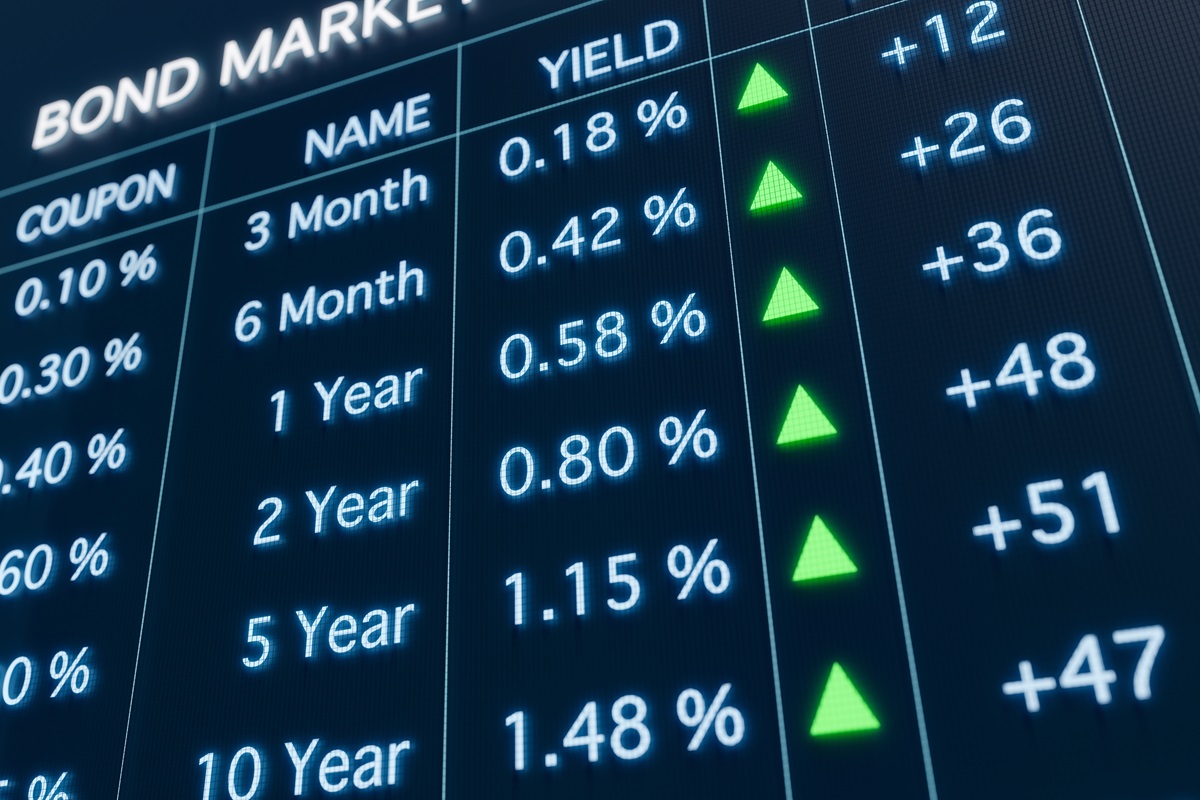
It's the new year and we hope you had a pleasant holiday season. As always in January, the market consensus expresses its concerns for the coming months. Everyone is talking about the risk of a sharp drop in the yuan which could reignite the currency war. We do not share this view. The real concern should be about what is happening in the US bond market right now. Here we go again! The market consensus predicts a new currency war this year. China would let the yuan collapse in response to the American threat of a trade war. In return, this would push other countries, especially in Asia, to depreciate their currency to artificially enhance their price competitiveness. We would be facing the situation of the 2010s again when several countries deliberately let their currency depreciate to escape the financial crisis. Is this credible? Not really. Certainly, in the space of two months, the yuan has fallen by 5% against the US dollar. And it is undoubtedly a response to the threat of new tariffs. However, it is unlikely that Beijing would allow its currency to fall much more in 2025. China has a trade surplus of more than $1 trillion. Its exports have increased in volume by 12% year-on-year while imports have slowed significantly; a sign that domestic demand is lagging. Usually, in such circumstances, depreciating (or devaluing) the currency is not recommended. It is only the lever of fiscal stimulus that can help rebalance the trade balance and stimulate the economy again. On paper, this might seem easy. But it's complicated in China's case. The central government has ample fiscal room, being not much indebted. It is another matter for local governments. Moreover, it is difficult for China to channel stimulus measures into the sectors it wishes to prioritize. In the past, all stimulus measures have resulted in creating speculative bubbles, particularly in real estate and the public sector. A fiscal stimulus has been discussed for months by the market consensus. So far, it has not materialized. We may still have to wait... What is certain for us is that a significant depreciation of the yuan is not on the agenda. It would be of no help to the Chinese economy. Worse, it could create new imbalances by accelerating capital flight. The real issue for 2025 is what is happening in the bond market. Since September, we have been witnessing a rise in yields (or, put another way, the cost of money). It is completely counterintuitive. The beginning of a rate-cutting cycle by the US Federal Reserve (Fed) generally results in a drop in yields. Some believe this is the expected reflation with the arrival of Trump (some economic measures put forward by the new US administration are inflationary). This is not our view. It seems that the bond market believes the Fed is lagging behind the economic cycle and will be forced to cut rates more quickly than expected this year if the job market shows renewed signs of weakness. This rise in bond yields does not only affect Americans. It spreads across the world, including France, as US rates—unsurprisingly—set the tone on the bond market. The consequences can be enormous: increased cost of capital, refinancing difficulties for the most indebted companies, increased debt burden for the public sector, etc. What impact for the foreign exchange market? In theory, a rise in bond yields leads to an appreciation of the US dollar (since the yields offered on US debt increase and are therefore more attractive). This confirms our view for 2025: it will be a year of a strong, overvalued dollar, as it was in 2024. Currently, the dollar is overvalued by 9% compared to the currencies of the major trading partners of the United States. This level should be maintained for almost the entire year.
Technical point
On the foreign exchange market, last week was calm, no surprise. There were no notable trend changes. The EUR/USD is still following a marked downward movement. A two-year low was reached during Thursday's session in a market lacking liquidity. The dollar also strengthened against the British pound, reaching a high since May 2024. For other major currency pairs, there was little movement. The EUR/JPY is still close to the pivot point at 161, while the EUR/CAD pair remains around the range between 1.48-1.50. Certainly, in the upcoming sessions, there will be more volatility.
The supports and resistances shown below indicate the respective lows and highs within which prices should evolve during the week. | Weekly Supports | | Weekly Resistances | |
|---|
| S2 | S1 | R1 | R2 |
| EUR/USD | 1.0200 | 1.0225 | 1.0450 | 1.0490 |
| EUR/GBP | 0.8200 | 0.8223 | 0.8420 | 0.8455 |
| EUR/CHF | 0.9200 | 0.9233 | 0.9432 | 0.9478 |
| EUR/CAD | 1.4709 | 1.4788 | 1.4903 | 1.5000 |
| EUR/JPY | 159.89 | 160.10 | 162.56 | 163.35 |
Announcements to follow
Across the Atlantic, due to a methodology change a year ago, the ADP survey is no longer closely followed by the market. However, the NFP report, expected at the end of the week, will be crucial to determine what will draw the Fed's attention in the coming months (will it be inflation or the labor market?). A subsequent increase in volatility in USD pairs can be expected. It is an important report.
Below you will find the publications and events expected to have a significant impact on currency price trends.| Day | Time | Country | Indicator | What to expect? |
|---|
| On 01/07/2025 | 11:00 | EUROZONE | Consumer Price Index (December) | Consensus at 2.2% year-on-year. |
| On 01/08/2025 | 14:15 | USA | Non-Farm Payrolls (December) | Little impact. The ADP survey is now considered unrepresentative of the labor market |
| On 01/09/2025 | 14:30 | USA | NFP Report (December) | Previous at 227k. |
The information presented in this publication is provided for informational purposes only and does not constitute investment advice, an offer to sell, or a solicitation to buy, and should in no case serve as the basis or be considered an incitement to engage in any investment.