We Enter the Tough Phase
The configuration of the foreign exchange market has not changed. The dollar remains favored due to geopolitical uncertainty. It's normal. Little novelty: analysts are talking again about the possibility of a rate hike in Japan in April. Beware, it's not guaranteed.
The macro point
Help, inflation is coming back! You've probably read it already: the blockade of the Strait of Hormuz, a key passage for hydrocarbons, is driving up energy prices on international markets, which is expected to fuel inflation in the coming months.
But the reality is both more complex... and more worrying. The economic repercussions of the conflict go far beyond this price increase. Disruptions in international trade are spreading along supply chains, creating a contagion effect. This leads to production constraints, which reduce companies' margins and eventually impact consumers, further increasing inflation.
Production breaks are everywhere. For now, agriculture is the most affected. In the United States, the planting season is in danger. About 50% of the nitrogen spread on American corn is during spring planting. Problem, even if the Strait of Hormuz reopened tomorrow, it takes 30 days for the nitrogen, essential fertilizer for crops, to reach an American port and another 3 to 4 weeks to reach the country's inland agricultural markets. It's already too late.
This is not an isolated case. Many countries, including in Europe, are facing a similar situation. In the absence of better options, farmers might be forced to switch from corn, which requires a lot of nitrogen, to soybeans even if it means lower financial returns due to reduced margins.
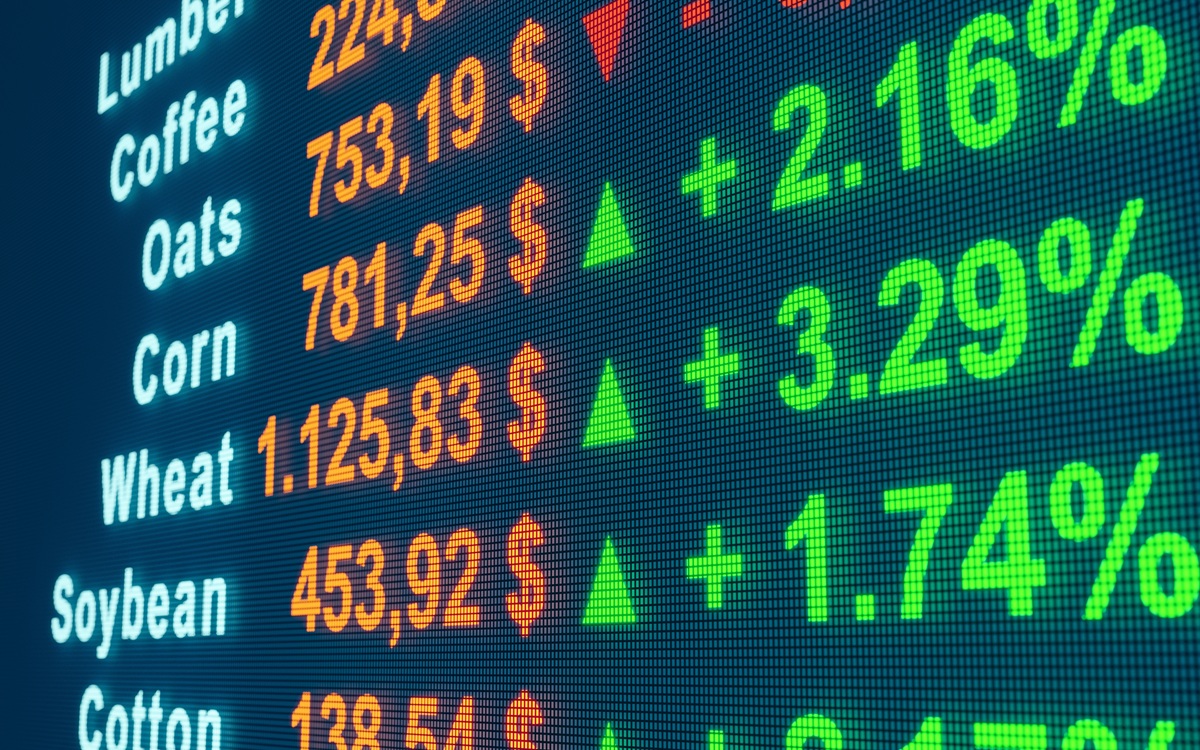
These disruptions already have an impact on international agricultural product prices which have soared since late February both in reaction to the anticipated supply decrease and a resurgence of speculation.
To make matters worse, some causal links between raw materials are unknown and industries thought to be spared by the crisis are not in reality. This is the case with phosphate fertilizers which, unlike nitrogen ones, do not transit through the Strait of Hormuz. In theory, Morocco, which holds 70% of the world's recoverable phosphate reserves, could emerge victorious from the current crisis. Unfortunately, it's not that simple. Its fertilizer industry needs sulfur, of which half the world's production passes through the strait, to transform insoluble phosphate rock into soluble phosphoric acid and superphosphates.
Even if the exact economic consequences of the conflict are still difficult to predict, what is certain is that we will not escape an increase in food inflation. However, it will not happen overnight. On average, it takes six months for the rise in prices on international markets to be reflected in consumer prices.
The million-euro question: will this push central banks to raise rates? It's not certain.
Technical point
On the foreign exchange market, the configuration has not changed. The dollar remains favored due to geopolitical uncertainty. The euro is a bit penalized following the publication of statistics, notably the PMIs, indicating that the Monetary Union could be severely affected by the economic consequences of the war – certainly more than the United States. This is a factor that risks penalizing the single currency in the short term. On the other hand, it will be secondary in the long term. It is likely that once the conflict is over, the evolution of rate policies will be the main marker for currencies.
It should be noted that the market is again discussing a rate hike by the Bank of Japan, either in April or June. This follows better-than-expected activity indicators for services and the manufacturing sector, and a good momentum of wage increases in spring negotiations. We remain cautious about the prospect of a rate hike. This is not the first time analysts have mentioned this possibility, which does not materialize in the end.
The supports and resistances displayed below indicate respectively the lows and highs within which the prices should evolve during the week. | Weekly Supports | | Weekly Resistances | |
|---|
| S2 | S1 | R1 | R2 |
| EUR/USD | 1.1410 | 1.1430 | 1.1733 | 1.1760 |
| EUR/GBP | 0.8510 | 0.8543 | 0.8700 | 0.8730 |
| EUR/CHF | 0.8851 | 0.8909 | 0.9200 | 0.9245 |
| EUR/CAD | 1.5730 | 1.5800 | 1.6009 | 1.6100 |
| EUR/JPY | 181.40 | 182.55 | 185.00 | 185.41 |
Announcements to follow
None of the statistics expected this week will be really important because they refer to an economic world that no longer exists. This is obviously the case for inflation in the eurozone, which should increase in the coming months due to rising energy and food prices. As for the dynamics of American employment, it should not be directly affected by the conflict. However, the American central bank might tend to focus especially on inflation in terms of its rate policy in the coming months. We will have to wait for the statistics to be published at the end of April-beginning of May to have a better estimate of the economic disruptions caused by the war in Iran.
Below you will find the publications and events that should have a major impact on currency trends.| Day | Time | Country | Indicator | What to expect? |
|---|
| March 31, 2026 | 11:00 | Eurozone | Inflation (March) | Previous at 1.9% year-on-year |
| April 1, 2026 | 14:15 | USA | ADP Non-farm Employment Change (March) | Previous at 63k |
| April 3, 2026 | 14:30 | USA | Department of Labor Employment Report (March) | Previous at -92k |
The information presented in this publication is communicated to you for informational purposes only and does not constitute investment advice, a sale offer, or a solicitation to buy, and should not under any circumstances serve as a basis or be considered as an incentive to engage in any investment.